
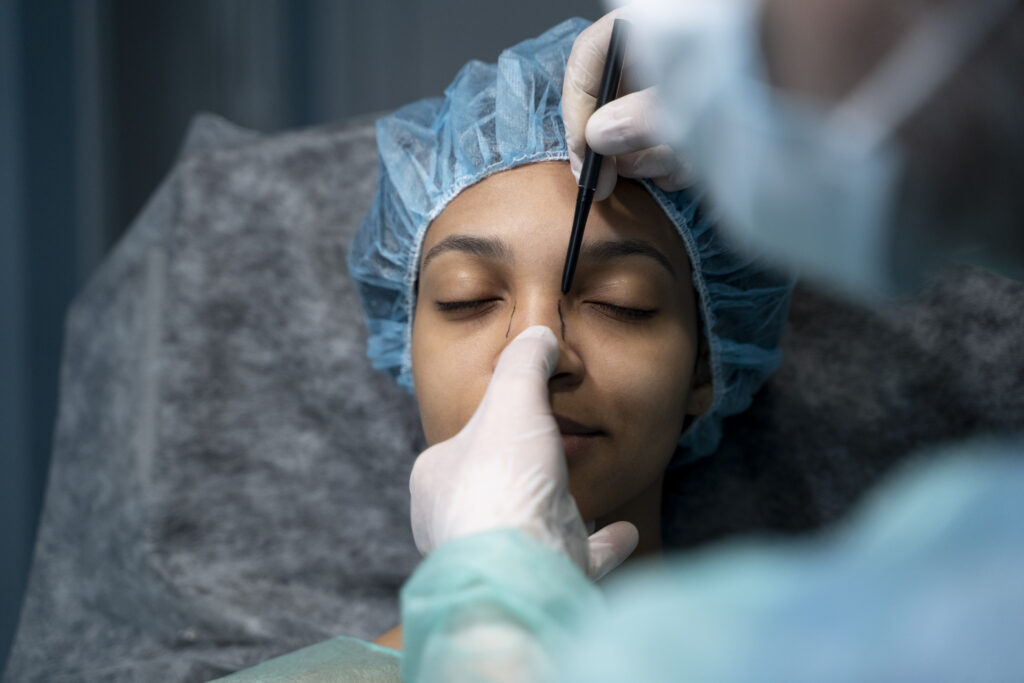
A few days before and after Rhinoplasty, patients must prepare their bodies for the changes that will occur. Taking a few simple steps to stay healthy before and after the operation will greatly aid in allowing a good recovery. The plastic surgeon will provide various instructions that must be diligently followed. Undergoing nasal surgery is an important decision, and proper preparation is the key to the procedure’s success and safety. The importance of thoroughly understanding the pre-operative planning cannot be overstated.
What Needs to Be Prepared Before Rhinoplasty?
Before undergoing rhinoplasty, the patient will go through several important stages:
1. Medical Consultation
The doctor will evaluate the patient’s medical history, understand the reasons for the surgery, and discuss the patient’s expectations regarding the results of the rhinoplasty. At this stage, the doctor will also provide the patient with a realistic overview of the procedure and the anticipated outcome.
2. Physical Examination and Photo Documentation
This stage aims to comprehensively assess the condition of the nasal structure, both externally and internally, and plan the changes to be made. Photo documentation is also necessary as a reference before and after the operation.
3. Expectation Discussion
Every patient has different desires, but it is important to understand that not all nose shapes can be achieved. Therefore, an open discussion between the doctor and the patient is key to ensuring the results meet expectations.
Emotional Preparation
Preparing for nasal surgery is not just a physical effort but also an emotional one. It is natural to experience mixed feelings, including anxiety, excitement, and even fear.
Here are some tips to help with emotional preparation:
Emotional preparation is crucial because it can directly impact recovery and the patient’s overall satisfaction with the achieved results. Anxiety and stress can lead to a higher perception of pain and slower healing. Open communication with the surgeon and emotional support from friends, family, or a therapist can help manage these emotions, promoting a smoother recovery and better outcomes.
Things to Note After Rhinoplasty
After undergoing rhinoplasty, you can usually go home on the same day. The doctor will apply a nasal splint, made of plastic or metal, to maintain the new shape of your nose.
The doctor will also place gauze padding in the area of the surgical incision to absorb blood and mucus. The gauze padding and nasal splint usually need to be used for 1–2 weeks after the nose surgery.
After the operation, you will also experience swelling and bruising in the nose area and under the eyes, but this condition will improve over time. The doctor will also provide medication to help the swelling and bruising heal quickly.
To reduce bleeding and swelling after rhinoplasty, you are also advised to adjust your sleeping position. Position your head higher than your chest while sleeping by stacking several pillows under your head.
To ensure the surgical wound heals quickly and the shape of the nose is not compromised after the operation, there are several activities you need to avoid during the recovery period:
- Brushing teeth vigorously
- Chewing food excessively
- Wearing glasses
- Running
- Lifting heavy weights
- Swimming
- Making facial expressions that require a lot of movement, such as laughing heartily
- Traveling outside the house for 1 week after the surgery is completed
Nose surgery is a relatively safe procedure, but it is not without side effects and can take a long time to heal. The tip of the nose may become very sensitive or possibly numb for months post-operation.
However, these various effects of rhinoplasty will usually disappear over time. Meanwhile, the new shape of the nose is generally visible after 1 month or possibly longer, depending on each person’s body response.
Why Is Consultation with a Doctor So Important?
Every individual has a unique nose shape and facial characteristics, so the rhinoplasty procedure must be planned personally. A comprehensive consultation with the doctor is aimed at ensuring the patient understands what is realistic and that the procedure is performed for the right reasons, whether for aesthetic, health, or reconstructive purposes.
Rhinoplasty is not just about beautifying the appearance of the nose or balancing other facial features; more than that, this operation can improve the overall quality of life. Therefore, a thorough evaluation of the patient’s psychological condition, expectations, and motivation is necessary.